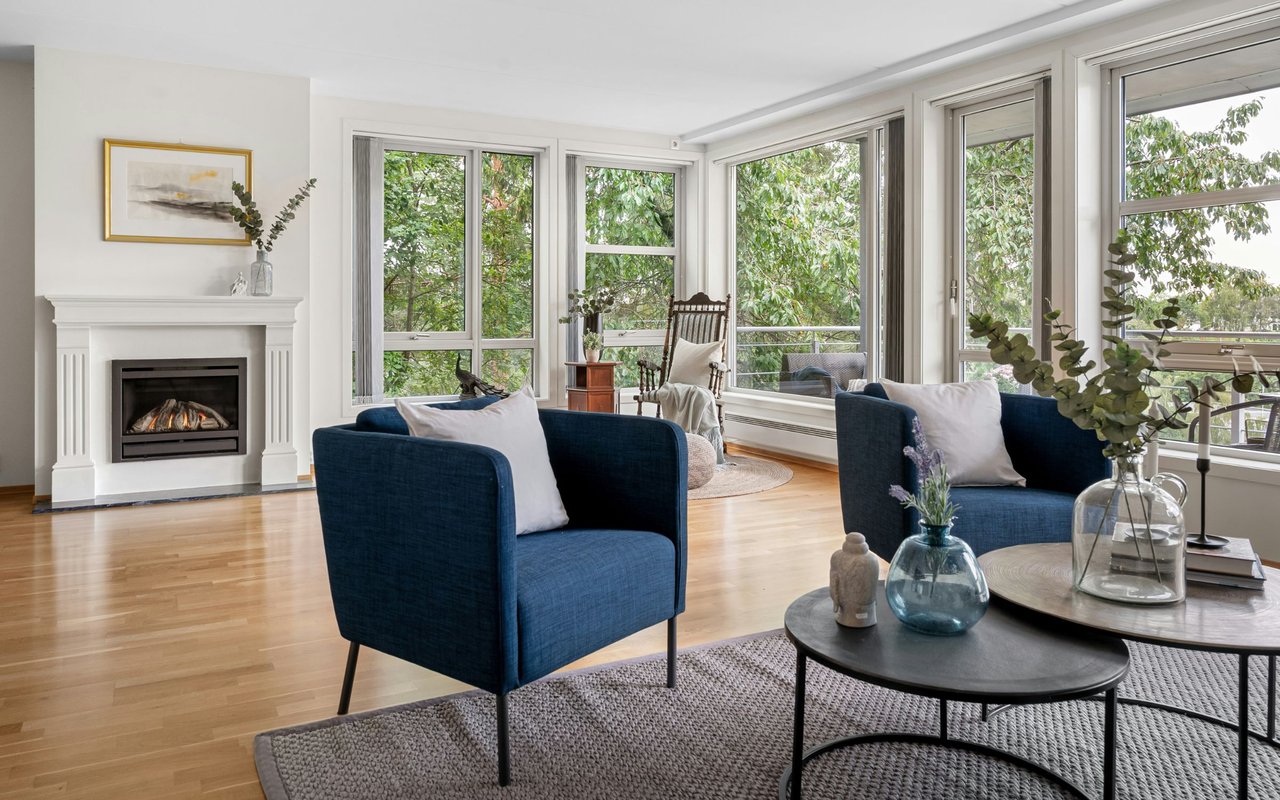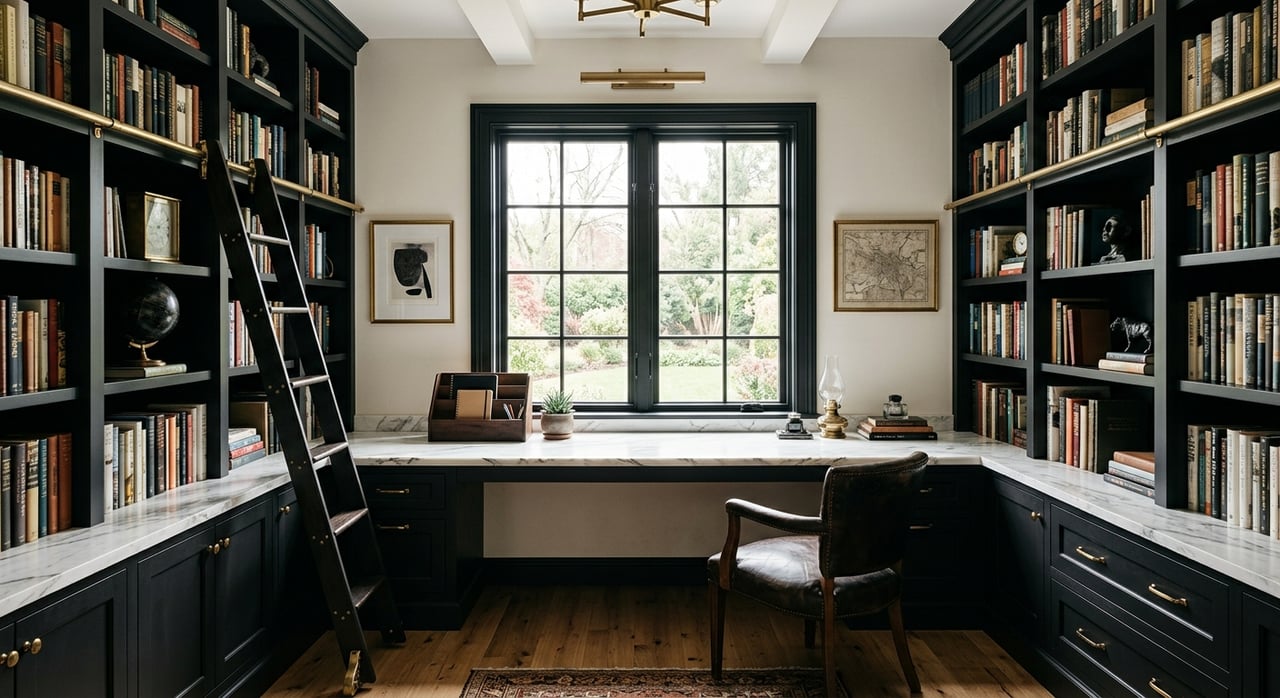
If you are thinking about a whole-home renovation in Franklin Lakes, the real challenge is usually not picking tile or paint. It is getting the scope, permits, team, and timeline right before walls open up. With the right plan, you can avoid preventable delays, protect your investment, and move through the project with far less stress. Let’s dive in.
Start With the Right Scope
A whole-home renovation can mean very different things under New Jersey rules, and that distinction matters from day one. The state separates existing-home work into categories such as renovation, alteration, and reconstruction, and each category can affect how the project is reviewed and what approvals are needed.
In simple terms, renovation usually covers replacing finishes, trim, doors, windows, or fixtures without changing the layout. Alteration generally means rearranging space or systems. Reconstruction applies when the home cannot be occupied during the work and a new certificate of occupancy is required before you move back in.
That is why your first planning step should be a written scope that clearly answers a few key questions:
- Are you keeping the current layout or reworking rooms?
- Are plumbing, electrical, or mechanical systems being moved or upgraded?
- Will any structural work be involved?
- Can part of the home remain occupied during construction?
- Will the work affect the exterior, lot coverage, setbacks, or retaining walls?
In Franklin Lakes, this early definition helps you understand whether you are looking at a lighter renovation path or a more complex project with broader review and closeout requirements.
Know Franklin Lakes Permit Basics
Franklin Lakes requires permit applications before construction or remodeling work begins. The borough states that the Code Enforcement Department issues permits to help ensure compliance with the New Jersey State Uniform Building Code and local building and zoning codes.
The borough also notes that zoning permits are required before the construction, erection, relocation, or alteration of a structure, and before a site-plan filing. For many homeowners, that means zoning review is not a side task. It is a core part of the planning process.
Franklin Lakes publishes a permit matrix and UCC subcode forms, and the matrix shows that different projects can trigger different reviews. A kitchen, bathroom, addition, deck, pool, retaining wall, boiler, furnace, or water heater may each require a different mix of zoning, building, electrical, plumbing, mechanical, or fire review.
Some residential roof work without framing or sheathing may not need a permit, but whole-home renovations often touch multiple systems at once. That is why it is important to evaluate the full project, not just one room at a time.
Projects That Often Need Early Review
In Franklin Lakes, certain items deserve attention early because they can affect both timing and documentation:
- Additions
- Kitchen and bathroom remodels
- Decks and pools
- Retaining walls
- Driveway replacement
- Generators
- Fences
- Sheds
- Temporary storage containers or dumpsters
The borough offers online zoning applications for several of these categories, including AC replacement, exact driveway replacement, dumpster permits, pool and perimeter fences, generators, certain sheds, and temporary storage containers.
Prepare for Zoning Documentation
One of the most important Franklin Lakes details is the zoning review application itself. The borough requires a current survey, no more than 7 years old, drawn to scale and showing the work location, soil movement quantities, coverage calculations, side and rear yard distances, and exact dimensions.
Some applications may also require engineering review. If your project involves site-sensitive work, this can become a major part of the schedule.
When You May Need More Than Basic Plans
You should expect additional scrutiny when a renovation touches:
- Setbacks
- Lot coverage
- Soil movement
- Retaining walls
- Larger sheds
- Additions or exterior changes with site impact
For a whole-home project, it is smart to check these items before design decisions are finalized. That can help you avoid redesign costs later.
Build the Right Renovation Team
A complex renovation usually needs more than a contractor and a mood board. In Franklin Lakes, your team often needs to match the type of approvals your project will require.
For many projects, that means bringing in a design professional or architect to define the scope clearly, a general contractor to manage field execution, and a surveyor or engineer when the work affects setbacks, coverage, retaining walls, additions, or other site conditions. This aligns with the borough’s zoning application requirements and the fact that some applications may require engineering review.
Verify Contractor Compliance
New Jersey treats remodeling, altering, renovating, restoring, moving, demolishing, or modernizing a residence as home improvement. The state says contractors performing this work must register annually unless they are exempt.
The state also says home improvement contracts over $500 must be in writing. Those contracts must include key business details, the contractor registration number, and a liability insurance certificate. New Jersey further states that municipalities may not issue construction permits to contractors who are required to register but are not registered.
Before work begins, make sure you have:
- The contractor’s registration information
- Proof of liability insurance
- A written contract if the job is over $500
- A clear description of the scope of work
- Materials and finish details where possible
- Project price and payment structure
- Expected completion timing
This is a practical step that protects both your schedule and your budget.
Phase the Work to Reduce Disruption
A whole-home renovation is easier to manage when you phase the work intentionally. New Jersey’s rehab code makes occupancy a critical dividing line because reconstruction applies when the work area cannot be occupied during construction and a new certificate of occupancy is needed before reoccupancy.
In practice, that means you should decide early whether you are trying to live through the project or create one concentrated shutdown period. For many homeowners, grouping demolition, framing, rough mechanical, electrical, plumbing, and inspections into one major phase can reduce repeated disruption.
After that, you can move into finishes, fixture installation, and punch-list work with a cleaner path forward. This kind of sequencing can help limit surprises and make site coordination easier.
Site Logistics to Plan Early
In Franklin Lakes, site logistics are part of the renovation plan, not an afterthought. The borough lists a temporary storage container permit and a dumpster permit option, which can be important if you need off-floor storage or debris management during a large project.
Exterior scopes also deserve early review. If your renovation includes a generator, fence, driveway work, AC replacement, or a shed, those items may have separate zoning applications and should be folded into the project plan from the start.
Track Inspections and Closeout
Permits are only one part of the process. Inspections and final records matter just as much, especially in a renovation that touches multiple systems.
Franklin Lakes allows inspections to be scheduled online through its SDL portal. That makes it easier to track progress, but it is still important to keep your own organized record of approvals, sign-offs, and project changes.
A strong closeout file can save time long after the work is done. It can also make future maintenance, warranty claims, and resale preparation much simpler.
What to Keep in Your Closeout File
A practical renovation file should include:
- Permit records
- Inspection sign-offs
- Drawings and approved plans
- UCC subcode sheets
- Contractor registration and insurance records
- Change orders
- Lien waivers
- Finish schedules
- Appliance manuals
- Serial numbers
- Warranty documents
- Warranty expiration dates
- Receipts and correspondence
Federal consumer guidance included in the research also recommends keeping warranty terms in writing, saving receipts and correspondence, and holding home improvement receipts until the home is sold. That advice fits especially well with a whole-home renovation, where the paperwork can be as valuable as the finishes.
Why a Managed Process Matters
The biggest renovation mistakes usually happen before construction starts. An unclear scope, missing survey, incomplete contract, or overlooked zoning trigger can create avoidable delays that ripple through the entire project.
When you treat renovation planning as an operational process, not just a design exercise, you make better decisions earlier. That approach helps protect your time, reduce friction, and support the long-term value of your home.
If you are planning a whole-home renovation in Franklin Lakes and want a calm, organized approach to scope definition, vendor coordination, documentation, and project oversight, Blaire Latchford can help you move from idea to execution with clarity.
FAQs
What permits are commonly needed for a Franklin Lakes whole-home renovation?
- A whole-home renovation in Franklin Lakes may require a mix of zoning, building, electrical, plumbing, mechanical, and fire review depending on the scope. Kitchens, bathrooms, additions, decks, pools, retaining walls, and major system work can all trigger different approvals.
What is the difference between renovation, alteration, and reconstruction in New Jersey?
- In New Jersey, renovation generally means replacing finishes or fixtures without changing the layout, alteration usually means rearranging space or systems, and reconstruction applies when the area cannot be occupied during the work and a new certificate of occupancy is needed before reoccupancy.
What documents are needed for a Franklin Lakes zoning review application?
- Franklin Lakes requires a current survey within 7 years, drawn to scale, showing the work location, soil movement quantities, coverage calculations, side and rear yard distances, and exact dimensions. Some applications may also require engineering review.
Do Franklin Lakes renovation projects need a written contractor agreement?
- In New Jersey, home improvement contracts over $500 must be written and include key business details, the contractor registration number, and a liability insurance certificate when applicable.
Can you live in your house during a Franklin Lakes whole-home renovation?
- It depends on the scope. If the project rises to reconstruction under New Jersey rules, the work area cannot be occupied during construction and a new certificate of occupancy is required before reoccupancy.
What records should you keep after a Franklin Lakes renovation is finished?
- You should keep permits, inspection sign-offs, plans, subcode sheets, contractor registration and insurance records, change orders, lien waivers, finish schedules, manuals, serial numbers, warranties, receipts, and related correspondence.