If you plan to hold an Alpine estate for years, or even across generations, the house is only part of the story. In Alpine, long-term ownership is just as much about protecting the land, documenting every change, and staying ahead of maintenance as it is about finishes and square footage. A disciplined plan can help you preserve value, reduce avoidable setbacks, and make future projects much easier to manage. Let’s dive in.
Why Alpine ownership is different
Alpine is a small Bergen County borough with 1,762 residents spread across 6.4 square miles, according to the Census profile. The same profile lists a median household income of $246,944, which reflects the high-value nature of many homes in the borough.
For a long-term owner, Alpine stands out because the borough’s rules place clear emphasis on environmental protection and site conditions. Its zoning code specifically addresses steep slopes, wetlands, floodplains, mature trees, visual character, and other sensitive land features, which means your property should be managed as a complete estate setting, not just as a building.
That distinction matters over time. If you are planning improvements, preserving the lot’s physical and regulatory integrity can be just as important as updating the residence itself.
Think beyond the house envelope
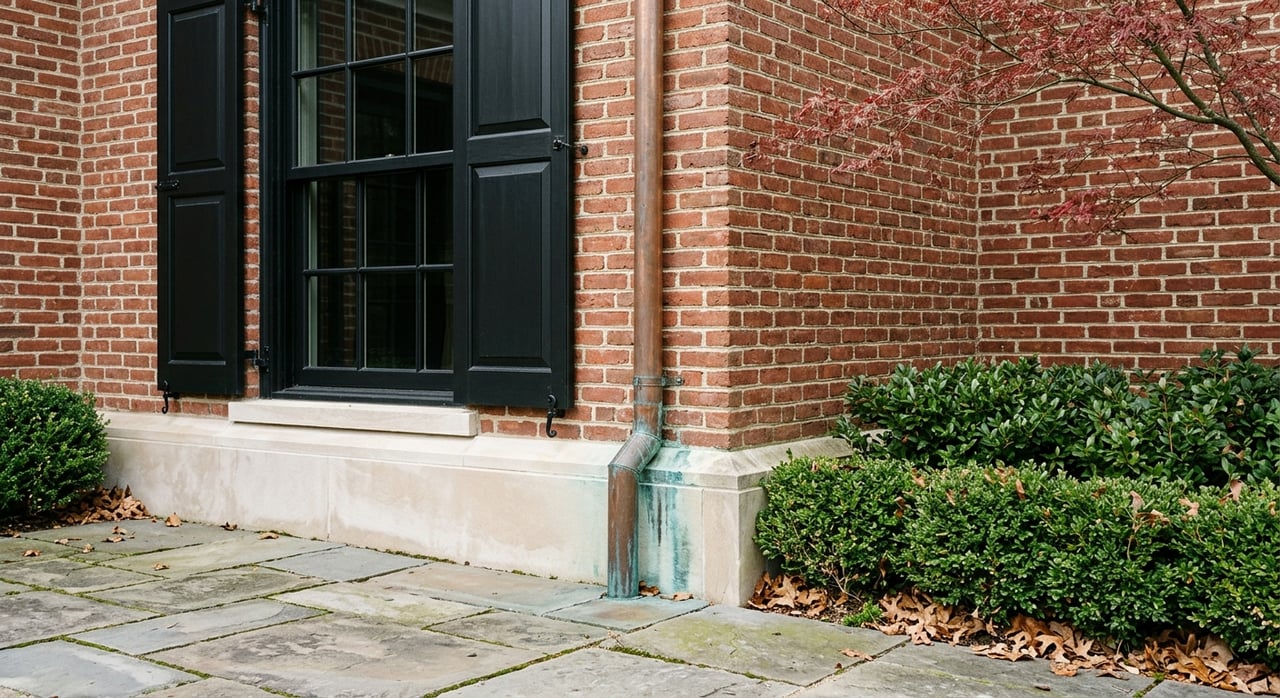
In many towns, owners focus first on interior systems and cosmetic upgrades. In Alpine, your site envelope often deserves equal or greater attention because drainage, retaining conditions, hardscape, tree cover, and grading can all affect usability, compliance, and future project approvals.
Alpine’s property-maintenance ordinance requires the exterior of premises and structures to be kept in good repair. It also requires landscaping to be maintained so it does not become overgrown or hazardous, and it treats visible deterioration, litter, and neglect as enforcement issues.
That makes a long-term capital plan more practical when it includes recurring review of:
- Roofs and exterior finishes
- Drainage paths and runoff conditions
- Retaining walls and hardscape
- Landscape edges near public rights-of-way
- Driveways and paved surfaces
- General site visibility and exterior upkeep
For estate owners, this is not about over-improving. It is about reducing friction, avoiding deferred maintenance, and protecting the property as a whole.
Trees are part of the asset
In Alpine, mature landscaping is not just visual. The borough’s tree regulations recognize tree conservation as part of soil stability, erosion control, drainage, privacy, and property value.
The zoning code also reinforces preservation of existing vegetation, especially larger trees, along with steep slopes, wetlands, and floodplains. In practical terms, that means tree removal, replacement, and landscape changes should be treated as meaningful ownership decisions, not minor housekeeping.
If you are planning work near specimen trees or heavily landscaped areas, it helps to think early about the broader impact on grading, drainage, access, and future approvals. A landscape decision can easily become a permitting and documentation issue if it affects regulated trees or protected site features.
Plan exterior work as a sequence
One of the easiest mistakes with long-term estate ownership is assuming a project is simple because it looks simple. In Alpine, many exterior improvements involve multiple approvals, separate reviews, and supporting documents.
The borough’s forms and code provisions show that driveway work, fence work, retaining walls, tree removal, blasting, demolition, and soil movement can each trigger their own application paths. Septic matters are directed to the Health Department, and seepage-pit or drainage inspections are directed to the Borough Engineer.
That is why the smartest approach is to treat major work as a sequence, not a single permit. When you plan early, you can reduce delays, limit redesigns, and keep contractors aligned with the borough’s expectations.
Driveways need careful planning
In Alpine, a new driveway requires a permit from the Construction Code Official and engineer review. Existing driveways can also require permits when they are relocated, expanded, repaved, or replaced beyond stated thresholds.
The application process also calls for a survey showing existing or proposed underground pipes, septic systems, wells, drainage, and road-edge conditions. That requirement signals something important: driveway work is really site work in Alpine, and it should be planned with the full property in mind.
Fences and retaining walls are regulated too
Fence and retaining-wall projects also require an application to the Building Department before work begins. The application must include a sketch or survey showing the proposed location relative to property lines, existing structures, and septic fields.
The borough’s rules also make clear that drainage and sight-triangle issues are part of the review process. Over the long term, that means these improvements should be documented, maintained, and revisited when you update other parts of the site.
Grading and soil movement can add another layer
If your project involves importing, excavating, moving, or removing soil, Alpine’s soil-fill and soil-removal code may require a separate permit. Depending on the project, the borough can require cash or performance guarantees, revegetation guarantees, and an as-built plan prepared by a licensed land surveyor.
For hillside or heavily landscaped lots, this is especially important. The code directs owners to preserve natural grade and trees where practicable, so grading decisions should be made carefully and documented well.
Tree work can carry real consequences
Tree work may have the same administrative weight as structural work. Alpine’s Environmental Commission routinely inspects proposed removals of regulated trees, and some applications tied to building permits may require sealed site plans, bonds, and tree replacement documentation.
The ordinance also allows stop-work orders and can delay final occupancy approvals when tree-related conditions are not resolved. If you hold property for the long term, tree records should sit alongside your building records, not apart from them.
Historic review may apply to older estates
If your home is older or architecturally notable, there may be another review layer to consider. Alpine’s Historic Preservation Commission maintains a landmarks designation list and map and can issue or deny certificates of appropriateness for designated historic resources.
That does not affect every property, but it matters if your estate falls within that category. Exterior changes may require preservation review in addition to ordinary zoning or building approvals, so it is worth confirming this early in the planning process.
Keep a permanent property dossier
For long-term ownership in Alpine, organized records are not a luxury. They are part of protecting the asset.
Because borough approvals often involve surveys, sealed plans, engineering review, bonds, inspections, and close-out documents, a permanent property dossier can save significant time later. It can also make it easier to respond to future contractors, advisors, or buyers if you ever refinance, renovate again, or sell.
A useful Alpine property file may include:
- Current survey
- Prior permits and approvals
- Final inspections and close-out records
- As-built plans
- Contractor licenses and insurance certificates
- Warranties and product information
- Lien waivers
- Tree and grading approvals
- Before-and-after project photos
- Drainage and septic-related records where applicable
This kind of file is especially valuable for owners who travel often, own multiple homes, or want a cleaner handoff between projects over time.
Save tax and assessment records every year
Carrying cost is part of the long-term ownership picture. New Jersey’s 2024 average residential tax report shows Alpine’s average residential tax bill at $22,596, and the related assessment report shows an average residential assessment of $2,762,300.
The state also notes that property tax data are assessed annually by the local assessor and then transmitted through the county and state property-tax process. For you, that creates a simple best practice: keep yearly tax bills, assessment notices, and parcel records in the same permanent file as your permits and plans.
When records stay together, you have a clearer ownership history and a better paper trail for future review.
Track disposal and compliance records
Construction paperwork does not end with permits. Alpine’s recycling guidance says that construction, demolition, tree-removal, and septic-related work must report tonnage or cubic yardage, along with weight receipts and the end market used for disposal.
That means your stewardship file should also include waste-haul tickets, recycling receipts, and contractor compliance records. These documents may seem secondary in the moment, but they can become important during project close-out or later questions about completed work.
Verify flood and drainage conditions first
Before changing the site, it is wise to verify flood and drainage risk. This is particularly relevant in Alpine because the borough’s zoning code specifically aims to preserve floodplains and steep slopes.
For owners planning grading, landscaping, drainage, or hardscape changes, early verification can prevent expensive redesigns and compliance issues. It can also help you evaluate whether a proposed improvement supports the site’s long-term stability.
A practical long-term ownership strategy
If you want to hold an Alpine estate successfully over many years, the goal is not constant construction. The goal is steady stewardship.
A smart ownership strategy usually looks like this:
- Review the site annually, not just the house.
- Address drainage, paving, walls, and landscape conditions before they worsen.
- Treat trees and grading as regulated asset issues.
- Assume exterior projects may involve multiple approvals.
- Keep every survey, permit, inspection, and receipt in one permanent record system.
- Close out projects cleanly before moving on to the next phase.
This approach helps protect value while making ownership feel more controlled and less reactive.
For busy owners, second-home holders, and families managing a high-value property over time, that kind of structure can make all the difference. If you want a calmer, more organized way to buy, manage, improve, and preserve a Northern New Jersey estate, Blaire Latchford can help you approach ownership with the level of oversight and precision Alpine properties often require.
FAQs
What makes long-term ownership in Alpine different from other Bergen County towns?
- Alpine’s local rules place clear emphasis on site stewardship, including steep slopes, wetlands, floodplains, mature trees, exterior maintenance, and regulated land features, so ownership often requires more attention to the full property, not just the residence.
What records should Alpine homeowners keep for long-term estate ownership?
- A strong permanent file includes your current survey, prior permits, approvals, inspections, as-built plans, tax bills, assessment notices, contractor insurance records, warranties, lien waivers, tree and grading approvals, and project photos.
What kinds of exterior projects in Alpine may require permits?
- In Alpine, work involving driveways, fences, retaining walls, tree removal, soil movement, demolition, and certain drainage-related or septic-related matters may require permits, reviews, or supporting documentation.
Why should Alpine homeowners pay special attention to tree work?
- Alpine treats tree conservation as part of soil stability, erosion control, drainage, privacy, and property value, and regulated tree removals may involve inspections, plans, bonds, replacement requirements, or enforcement actions.
How should Alpine estate owners plan major site improvements?
- It is usually best to plan major work as a sequence of linked approvals, surveys, engineering reviews, inspections, and close-out documents rather than assuming the project can move through one simple permit.
Why is annual tax documentation important for Alpine property owners?
- New Jersey’s property-tax process is assessed annually through the local assessor and county-state reporting process, so keeping yearly tax bills and assessment notices helps maintain a complete long-term ownership record.