If the idea of listing your Short Hills home feels like opening the door to weeks of disruption, you are not alone. Between pricing decisions, prep work, showings, and paperwork, even a strong market can feel overwhelming when your time is limited and your home is a major asset. The good news is that a lower-stress sale usually does not come from doing more. It comes from planning the right things earlier and managing them well. Let’s dive in.
Why a Short Hills Sale Needs Strategy
Short Hills is not a typical market, and your listing plan should reflect that. Census data shows a median owner-occupied home value of $1,674,100, an owner-occupied rate of 86.5%, and median household income above $250,000. In practical terms, that means buyers often expect a polished presentation, clear documentation, and a process that feels organized from the start.
There is also a financial reason to stay disciplined. In New Jersey, residential sales above $1 million are subject to the seller-paid Graduated Percent Fee, with rates that rise from 1% to 3.5% in tiers as price increases. On a high-value home, details that support pricing and reduce negotiation friction can have a real effect on your net proceeds.
Front-Load the Unknowns
One of the simplest ways to reduce listing stress is to uncover issues before buyers do. A pre-sale inspection is optional, but it can identify concerns with the structure, roof, plumbing, electrical, HVAC, interiors, insulation, fireplaces, and more before your home hits the market. That gives you more control over timing, pricing, and next steps.
When buyers discover a problem during their own due diligence, the conversation often becomes more reactive. When you discover it first, you can decide whether to repair it, price around it, or document it clearly. That kind of early visibility tends to create a calmer listing period.
If an inspection reveals a significant issue, it also helps to get a repair estimate right away. Even if you choose not to complete the work, a cost estimate gives you a clearer basis for pricing and negotiations. It turns an unknown into a number, which usually makes decisions easier.
Know the Key Disclosure Items
If your home was built before 1978, federal lead-based paint disclosure rules apply. Sellers must disclose known information about lead-based paint or hazards before contract, provide the required EPA/HUD pamphlet, and give buyers a 10-day opportunity to conduct a lead inspection or risk assessment.
Radon is another important item in New Jersey transactions. According to NJDEP, radon testing is already part of many real estate sales in the state, and only state-certified companies can test or mitigate. Sellers also need to provide buyers with radon test results and any mitigation evidence when the contract is signed.
If radon testing is part of your preparation, timing matters. NJDEP says tests must be conducted under closed-house conditions. That is one more reason to handle this early, before your showing schedule becomes busy.
Focus on Visible Improvements First
A lower-stress listing does not mean launching your home exactly as-is. It also does not mean committing to a full renovation. In many cases, the sweet spot is a limited set of visible improvements that make the home look cleaner, brighter, and more market-ready in photos and in person.
NAR guidance supports a practical approach here. Cleaning windows, carpets, lighting fixtures, and walls, decluttering, improving curb appeal, and staging can all make a home more marketable. These are presentation upgrades, not lifestyle disruptions.
For many Short Hills sellers, this is where the biggest stress reduction happens. Instead of opening multiple major projects at once, you narrow your effort to the updates buyers notice first. That helps protect your time while still strengthening first impressions.
Prioritize the Rooms Buyers Notice Most
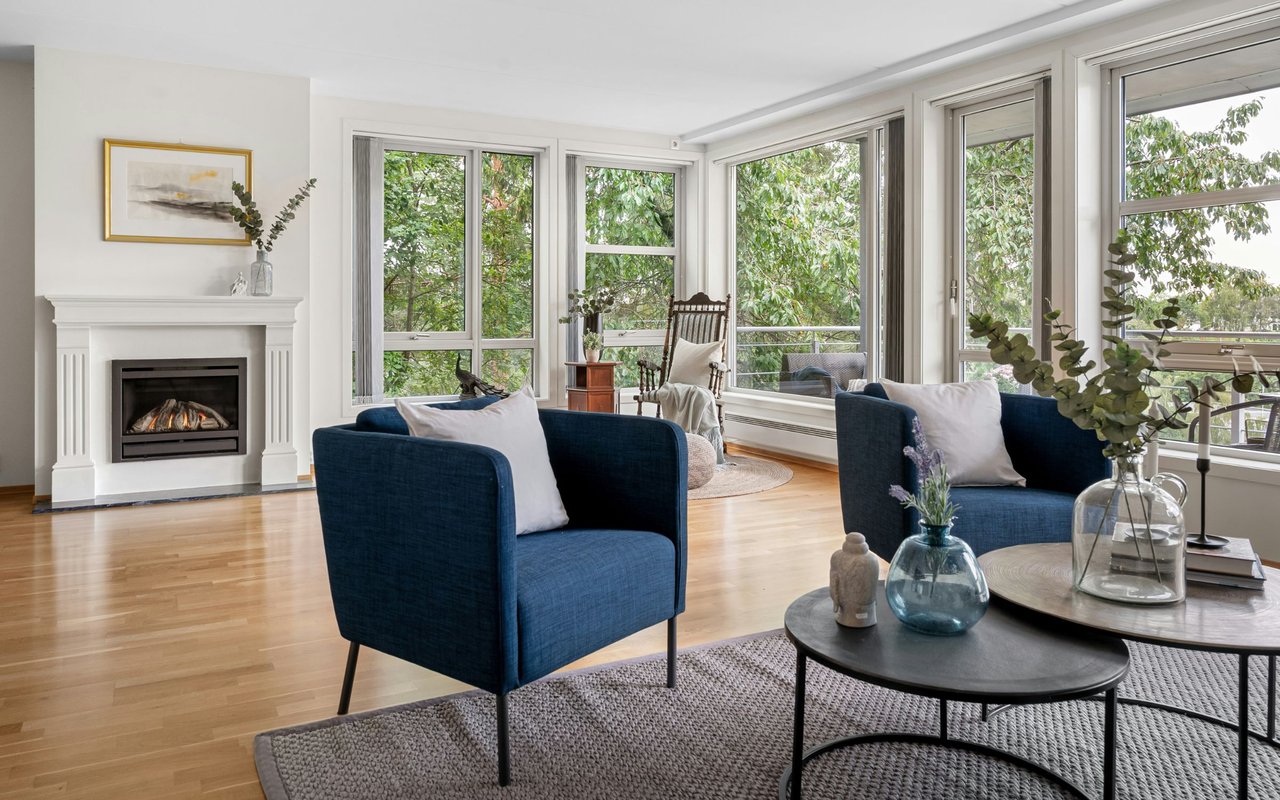
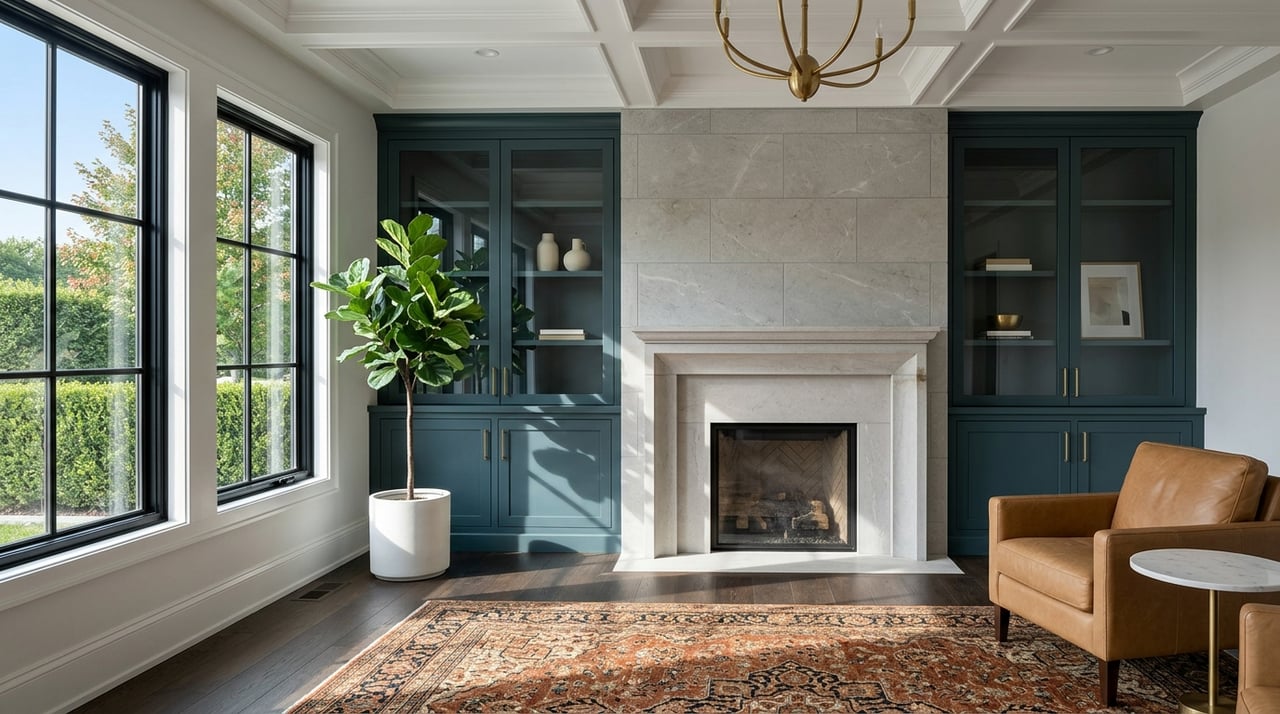
Not every room carries the same weight during a showing. NAR’s 2025 staging report found that buyers focus most on the living room, primary bedroom, and kitchen. Those spaces shape how buyers experience scale, comfort, and move-in readiness.
If your time and budget are limited, start there. A refreshed living room, a simplified primary suite, and a clean, edited kitchen usually do more for presentation than spreading effort thinly across every room. This is especially helpful when you are trying to keep daily life functional while preparing to list.
The same report found that 83% of buyers’ agents said staging made it easier for buyers to envision the property as their future home. It also found that 49% of sellers’ agents said staging reduced time on market, while 29% said it led to a 1% to 10% increase in the dollar value offered. Those numbers support a focused, visible-prep strategy rather than an all-or-nothing overhaul.
Avoid the Renovation Trap
In a luxury market, it is easy to assume you need to do a major upgrade before listing. Sometimes that is true, but often it is not the most efficient path. A long renovation can add cost, decision fatigue, and delays that work against the goal of a smooth sale.
NAR’s 2025 Remodeling Impact Report suggests that selective improvements can outperform broad remodeling when you are thinking about return and disruption. Among the highest recovered costs were a new steel front door at 100%, a closet renovation at 83%, and a new fiberglass front door at 80%. These are targeted changes that can sharpen presentation without turning your home into a construction zone.
That same report also noted that 46% of real estate professionals said buyers are less willing to compromise on home condition. The takeaway is not that you should renovate everything. It is that the right visible fixes can matter, especially when they improve how well the home shows and how confidently buyers respond.
Run Prep Like a Project
Stress tends to rise when listing prep becomes a scramble. Painters arrive before the flooring is finished. A photographer is booked before styling is complete. Showings start while vendors are still coming through the house. The best way to avoid that is to treat pre-listing work like a managed project with a sequence, not a stack of errands.
A simple listing-prep plan often includes:
- pre-sale inspection
- disclosure review
- radon testing if needed
- repair estimates for major findings
- cosmetic touch-ups
- cleaning and decluttering
- staging or styling
- photography and marketing launch
- showing calendar setup
When these steps happen in the right order, your home is more likely to hit the market looking finished instead of halfway there. That creates a smoother experience for you and a stronger impression for buyers.
Verify New Jersey Contractors
If you are bringing in vendors before listing, credentials matter. New Jersey requires home improvement contractors to register with the Division of Consumer Affairs, and the state defines that category broadly. It includes work such as painting, landscaping, windows, doors, kitchens, bathrooms, roofing, and siding.
That matters because even a short prep list can involve multiple trades. Verifying registration before work begins is a practical way to reduce risk and keep the process organized.
If your home was built before 1978 and the work will disturb paint, there is another layer to check. EPA lead-safe renovation rules require certified firms to use lead-safe work practices for that kind of work. Before any sanding, painting, or window replacement begins, it is worth confirming who is touching the property and under what standards.
Build a Showing Schedule Around Real Life
A lower-stress listing plan should work with your routine, not against it. In Short Hills, that matters more than you might think. Hartshorn Elementary’s regular school day runs from 8:50 a.m. to 3:15 p.m., and Short Hills Station is on NJ TRANSIT’s Morris & Essex line, which reflects the commute patterns many local households manage.
The practical lesson is simple. Showings should be scheduled intentionally, with real household logistics in mind. That usually works better than allowing ad hoc appointments to interrupt every part of your week.
A structured showing plan can help you:
- limit last-minute disruptions
- protect school and commute routines
- keep the home consistently show-ready
- group appointments into manageable blocks
- reduce the feeling that your life is on hold
NAR’s marketing guidance notes that showings and open houses are important in-person marketing tools, and that timing should be planned thoughtfully. In a place like Short Hills, thoughtful timing is not just good marketing. It is a quality-of-life decision while your home is on the market.
The Least Stressful Path to Market
If you want a smoother listing experience, the goal is not perfection. The goal is control. Front-load inspections and disclosures, choose visible updates that improve photos and buyer perception, verify contractors carefully, and manage showings with a clear plan.
That approach protects your time and helps your home enter the market with fewer surprises. It also supports stronger decision-making in a high-value area where preparation can influence both pace and net proceeds. When the process is organized early, the entire listing period usually feels lighter.
If you want a calm, well-managed plan for preparing and positioning your home, Blaire Latchford offers the kind of detail-focused guidance and project oversight that can make a luxury sale feel far more manageable.
FAQs
What is the lowest-stress way to prepare a Short Hills luxury home for sale?
- The simplest approach is to front-load inspections and disclosures, focus on visible presentation updates, and organize vendors and showings around a clear timeline.
Do you need a pre-sale inspection before listing a home in Short Hills?
- No, a pre-sale inspection is optional, but it can help you identify issues early and reduce surprises during buyer negotiations.
What disclosure issues matter when selling a home in New Jersey?
- If your home was built before 1978, lead-based paint disclosure rules apply, and in New Jersey sellers must also provide buyers with radon test results and mitigation evidence when the contract is signed.
Which rooms matter most when staging a Short Hills home?
- The living room, primary bedroom, and kitchen are top priorities because buyers tend to notice those rooms most during showings and in photos.
Should you renovate before listing a luxury home in Short Hills?
- Not always. Selective, visible improvements are often more efficient and less disruptive than a full renovation, especially when your goal is a smoother sale.
How can you make showings less disruptive while selling a Short Hills home?
- Grouping appointments into planned time blocks and building the schedule around school and commute routines can help reduce last-minute interruptions.