Love the charm of Montclair’s older homes but wonder what it really takes to own one? You want character and comfort without a string of surprise repairs. In this guide, you’ll learn how to spot Montclair’s most common historic styles, what those details mean for maintenance and energy efficiency, and how to plan updates that respect the architecture and meet local rules. Let’s dive in.
Montclair’s signature house styles
Montclair is rich in late‑19th and early‑20th‑century homes. You will often see hybrids that blend features from different eras, so think “family resemblance” rather than textbook perfection.
Victorian: Queen Anne details
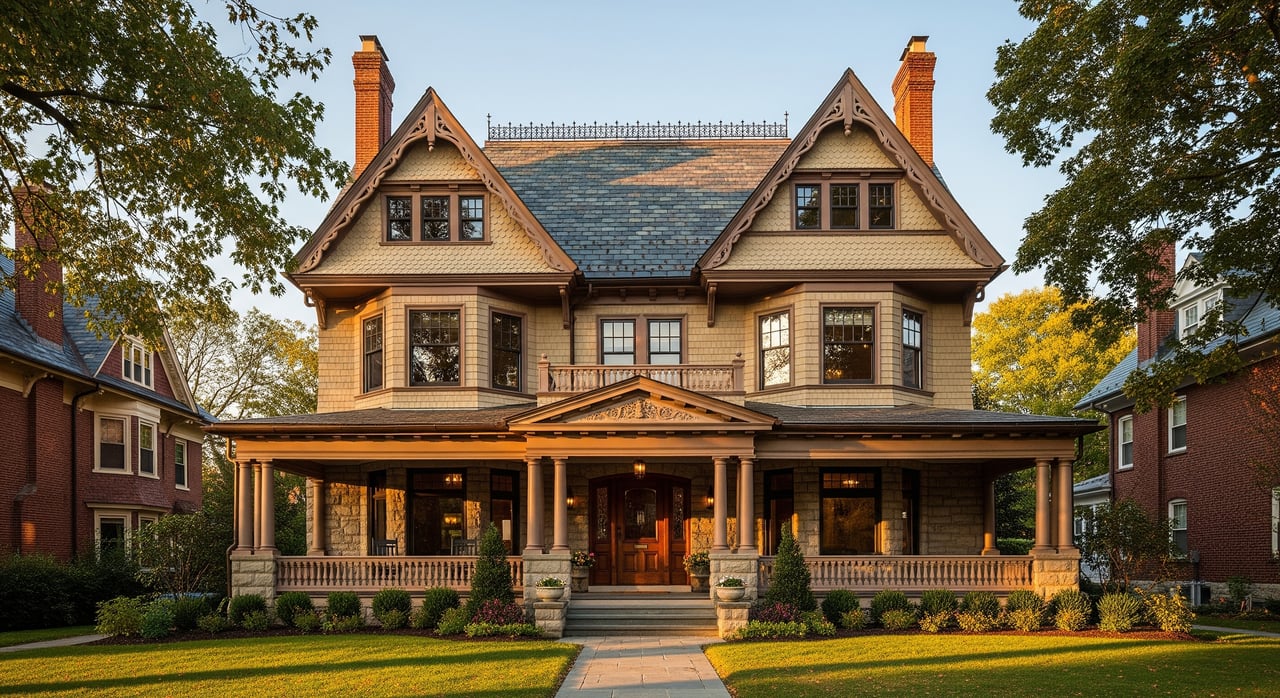
Victorians in Montclair often show asymmetrical façades, turrets or bay windows, steep roofs, wraparound porches, and ornate wood trim. Materials are typically wood frame with clapboard or shingles and decorative millwork. Slate or wood shingles were common on higher‑style examples.
What it means for you:
- Maintenance: Porches and decorative trim need regular painting and spot repairs. Expect ongoing rot prevention and glazing upkeep.
- Roofing: Slate can last for decades, but repairs and replacements are specialized and costly. Flashings and valleys are common leak points.
- Restoration: Losing original millwork can be expensive to replicate, so prioritize preservation.
Tudor Revival: Storybook masonry
Look for steep gables, half‑timbering with stucco infill, brick or stone lower walls, tall narrow windows, and prominent chimneys. Entries are often arched or recessed.
What it means for you:
- Moisture management: Masonry and stucco walls need different insulation and moisture strategies than framed walls. Avoid trapping moisture.
- Detail care: Half‑timber elements are character defining and should be repaired with proper methods to prevent long‑term deterioration.
- Roofing: Slate or composite roofs may appear; repairs should match profiles and details.
Colonial Revival: Balanced simplicity
These homes usually have symmetrical fronts, centered entrances with columns or pilasters, multi‑pane double‑hung windows, and classical cornices. Materials are often wood clapboard or brick.
What it means for you:
- Modernization: Simpler massing makes it easier to update kitchens and baths while keeping character.
- Windows: Original wood double‑hung windows are signature elements. Plan for careful repair and weatherstripping rather than default replacement.
What to inspect before you buy
Older homes reward thorough due diligence. Hire pros with historic‑house experience.
Structure, roof, and chimneys
- General home inspection with an older‑home specialist.
- Structural engineer if you see settlement, sagging floors, or foundation movement.
- Roof inspection by a roofer familiar with slate, cedar, or standing seam details.
- Chimney and fireplace evaluation for masonry and flue condition.
Electrical, plumbing, HVAC
- Electrical review for service capacity, ungrounded wiring, outdated panels, and knob‑and‑tube.
- Plumbing check for galvanized supply lines, lead service lines, and cast‑iron drains.
- HVAC assessment for system age, distribution, and options to improve efficiency or convert.
Lead, asbestos, and pests
- Lead‑based paint risk assessment for pre‑1978 homes.
- Asbestos survey if you see suspect materials, such as old insulation or floor tiles.
- Pest and termite inspection, especially in crawlspaces and porch framing.
Energy efficiency that respects history
Start with reversible, low‑risk improvements. Preserve character‑defining elements when feasible.
Start with air sealing and attic
Attic insulation and air sealing are often the most cost‑effective steps. Keep ventilation and vapor control appropriate to the roof assembly to reduce moisture risks.
Windows: repair before replace
Restore original sash with weatherstripping, new sash cords, and fresh glazing putty. Add interior or exterior storm windows to improve comfort and thermal performance while preserving appearance.
Heating and cooling options
Tune existing systems and seal ducts to cut losses. When replacement is due, consider high‑efficiency boilers or heat pumps. Planning is key in older houses so equipment and distribution integrate cleanly with historic interiors.
Walls and masonry caution
Framed walls can sometimes accept dense‑pack insulation. Masonry walls need specialty strategies to avoid trapping moisture. Work with contractors who understand historic building science.
Montclair permits and approvals
Montclair has an active Historic Preservation Commission and multiple historic districts. Exterior changes in a district usually need review and a permit known as a Certificate of Appropriateness. Interior work is typically not regulated unless the property is an individual landmark.
Historic district review
Contact the Building Department and the Historic Preservation Commission early. Window changes, siding replacements, porch alterations, roofline changes, dormers, and additions often require review. In‑kind repairs may be allowed without full approval.
Materials that win approvals
Use compatible materials and profiles for windows, siding, trim, and roofing. Match original proportions, muntin patterns, and trim details. Some modern materials that closely replicate historic appearance may be acceptable, but confirm in advance with photos, samples, and drawings.
Smart updates that age well
Blend modern convenience with architectural integrity.
Kitchens and baths
Modernize function while keeping original openings and significant built‑ins. Route new plumbing and ductwork through basements or attics to minimize removal of historic fabric.
Porches and trim
Preserve porch depth, column profiles, and railings. Repair rot with in‑kind materials and traditional joinery when possible. These features drive curb appeal and value.
Additions and accessibility
Keep additions subordinate in scale and locate them at the rear or side where feasible. Differentiate new work slightly from the historic structure so the original remains legible. Plan accessibility upgrades with preservation guidance.
Masonry and moisture
Repoint with mortar that matches the original in composition, color, and tooling. Avoid hard cement mortars on soft historic brick. Fix grading and drainage before interior waterproofing to prevent recurring issues.
Budget, financing, and insurance
Older homes deliver lasting value when systems are updated and details are preserved. Budget with contingencies.
Typical cost drivers
- Slate roof repairs or replacement.
- Foundation stabilization and drainage improvements.
- Electrical service upgrades and re‑wiring.
- Window rehabilitation or historically appropriate replacements.
- Plaster repair and millwork restoration.
Renovation loan options
If your project is sizable, discuss renovation financing such as FHA 203(k) or Fannie Mae HomeStyle Renovation with your lender. Program availability and rules change, so verify current terms.
Insurance considerations
Insurers may require updates to older roofs, wiring, or plumbing. Get quotes early and confirm any repair conditions needed for closing.
Quick buyer checklist
- Identify the home’s dominant style and character elements to protect.
- Confirm if the property is in a Montclair historic district.
- Order a historic‑savvy home inspection plus roof, chimney, foundation, electrical, plumbing, HVAC, and pest inspections.
- Add lead paint and asbestos testing for pre‑1978 homes.
- Request records for past repairs, permits, and maintenance.
- Consult the Historic Preservation Commission before planning exterior changes.
- Prioritize energy steps: attic insulation, air sealing, window repair, and storms.
- Build a contingency for concealed conditions found during renovation.
Why partner with Luxe Home
If you love historic character but have limited time, a coordinated plan makes all the difference. Luxe Home Concierge combines licensed advisory with hands‑on project management across Northern New Jersey, including Montclair. You get a curated search, post‑closing move coordination, vetted specialty contractors, and a single point of contact.
Our team manages scopes, schedules, and quality control while protecting the details that define your home’s value. The Luxe Home Vault keeps warranties, permits, and contractor compliance organized in one secure dashboard. When you are ready to buy or renovate, we help you move from intent to execution with clarity.
Ready to explore historic homes with a plan that balances design and durability? Connect with Luxe Home - Real Estate Concierge Services to get started.
FAQs
What are the main historic styles in Montclair?
- You will most often see Victorian (Queen Anne), Tudor Revival, and Colonial Revival, plus hybrids that mix features across eras.
How can I tell a Queen Anne Victorian from the street?
- Look for asymmetrical façades, turrets or bays, steep roofs, decorative wood trim, varied siding textures, and wraparound porches.
Can I replace original windows in a Montclair historic district?
- Possibly, but review is likely. The town often favors repair and storms first, with replacements allowed when existing units are beyond repair and new units match historic profiles.
What energy upgrades work best for older homes?
- Start with attic insulation and air sealing, repair and weatherstrip original windows, add storm windows, then consider high‑efficiency heating or heat pumps with careful integration.
Do I need approval for exterior changes in Montclair?
- If the home is in a historic district or is designated, most exterior changes need Historic Preservation Commission review and a permit. Interior work is usually not regulated.
What inspections are essential before buying an older home?
- A historic‑savvy home inspection plus roof, chimney, foundation, electrical, plumbing, HVAC, pest, and lead/asbestos evaluations for pre‑1978 houses.
Are there incentives for energy upgrades in New Jersey?
- State programs and incentives change. Check current offerings for home energy audits, weatherization, and heat pumps through New Jersey’s energy agencies, and verify eligibility before you plan.