Torn between a walkable condo in downtown Morristown and a single-family home in the surrounding suburbs? You are not alone. Many NYC movers and local upgraders face this choice as they weigh space, commute, costs, and lifestyle. This guide lays out the key differences so you can make a confident decision that fits how you live today and where you want to be in a few years. Let’s dive in.
Morristown and nearby suburbs at a glance
Morristown sits roughly 25 to 35 miles west of Manhattan on NJ Transit’s Morris & Essex rail corridor, often called the Morristown Line. It is a regional hub with restaurants, shops, cultural venues, and multi-family housing in a compact, walkable downtown. Nearby towns in Morris County, including Morris Township, Madison, Chatham, Florham Park, and Randolph, offer lower-density neighborhoods dominated by single-family homes.
New Jersey and Morris County generally trend higher than national averages for home prices and property taxes. Since 2020, buyer demand from NYC has grown while inventory has remained tight. If you are moving now, plan to compare specific buildings and blocks downtown against particular neighborhoods in the suburbs. Two blocks can change your commute, parking options, and school assignment.
Space and floorplan
Downtown condos and townhomes
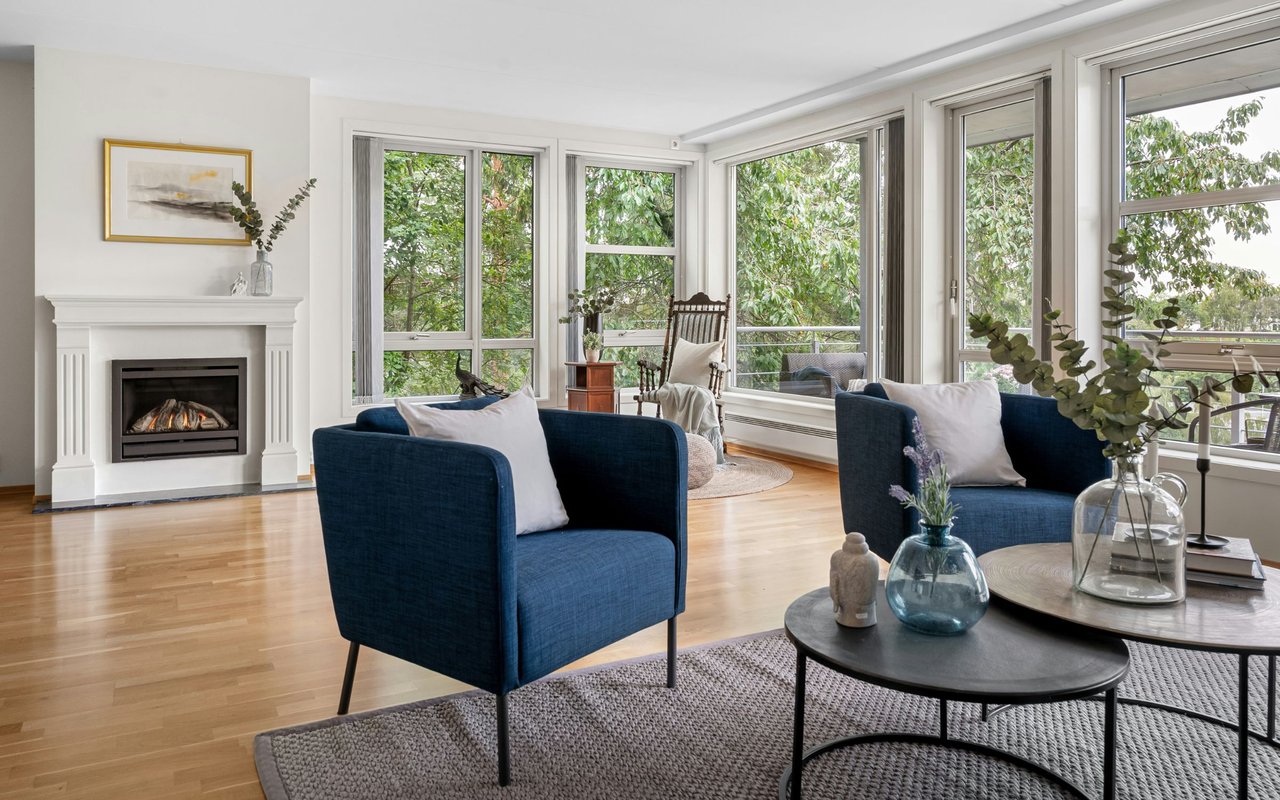
You will typically find smaller interiors and vertical layouts, with limited private outdoor space such as a balcony or shared courtyard. The upside is lower exterior maintenance and a walkable lifestyle near dining and services. Review storage options carefully, including closets, garage storage, or a basement.
Suburban single-family homes
Expect larger interiors, multiple bedrooms, garages, and private yards, plus potential to expand or add structures. You trade convenience for responsibility, since you handle roof, yard, and systems maintenance yourself. Confirm zoning, setbacks, and any historic district rules before planning an addition.
Commute and transit access
Downtown condos and townhomes
Many buildings are walkable to the Morristown train station on the Morristown Line, with local bus access and easy evenings out. Verify walking time to the station, train frequency, and peak vs off-peak travel times directly with NJ Transit. If your office is in town, you may not need the car on weekdays.
Suburban single-family homes
Most suburban addresses require a drive to a rail station or direct bus. Factor in station parking availability, fees, and first-mile drive time. Compare day-to-day door-to-door timing using live mapping and NJ Transit timetables before you decide.
Parking and vehicle logistics
Downtown condos and townhomes
Some buildings include assigned garage or surface spaces, while others rely on permit or municipal lots. Guest parking can be limited, and second-car logistics vary by building and block. Confirm the number of deeded or assigned spaces and any guest policies with the association or municipality.
Suburban single-family homes
Driveways and garages are typical, with easier parking for multiple vehicles and guests. You will be responsible for snow removal and driveway maintenance. If a home is in a planned community, review any HOA parking rules.
Outdoor access and recreation
Downtown condos and townhomes
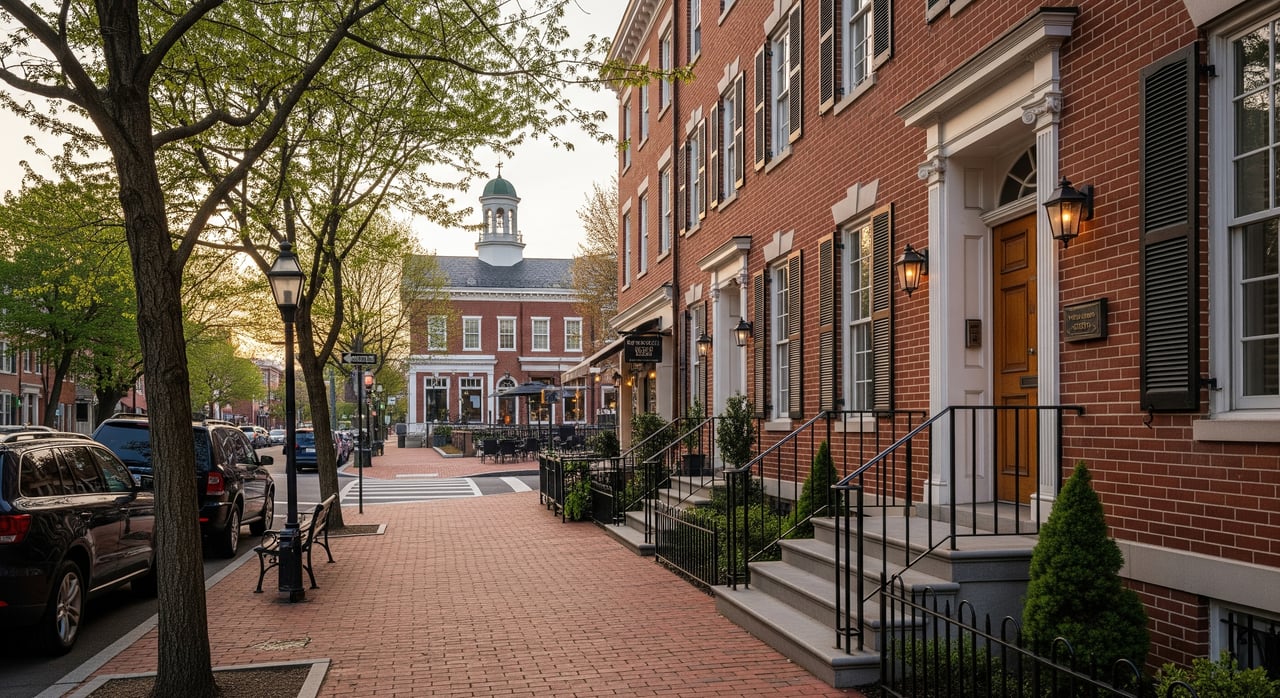
You will be steps from restaurants, events, and small green spaces like the Morristown Green. Larger parks and trails are a short drive away, including Morristown National Historical Park. Expect more activity and ambient noise compared with quiet cul-de-sacs.
Suburban single-family homes
Private yards are common, and you may be closer to expansive trail systems and preserves such as the Loantaka Brook Reservation. You will likely drive to downtown dining and nightlife. Plan for regular yard care and tree maintenance.
Ownership, HOAs, and financing
Downtown condos and townhomes
Condos and townhomes are governed by an association with monthly dues that cover exterior maintenance, common areas, and sometimes utilities or amenities. Lenders may require documentation on reserves, owner-occupancy, and the building’s financial health. If you need FHA or VA financing, check project approval guidelines via HUD’s condominium resources early in your process.
Suburban single-family homes
You have more autonomy and full responsibility for maintenance and capital projects. If the property sits within a civic association or HOA, rules may apply but are often less restrictive than condo associations. Confirm any municipal permits required for additions and check local regulations through Morris County government resources.
Cost and taxes
Downtown condos and townhomes
Purchase prices may be lower than single-family homes in some cases, but condos often carry higher cost per square foot in walkable cores. HOA dues add to monthly carrying costs, and property taxes vary by building and assessment. Review what dues cover, the association’s reserve study, and the annual tax bill before you offer.
Suburban single-family homes
Expect higher total purchase price and property taxes due to larger assessed value, consistent with New Jersey’s higher tax environment overall. Utility and maintenance costs are often higher with more space and systems. Ask for recent tax history and typical utility bills for a clear budget picture.
Schools and planning ahead
Downtown condos and townhomes
School assignment boundaries can vary, and some downtown residents choose private or charter options. To understand public school performance and current boundaries, check the New Jersey Department of Education. Align your search with both your near-term lifestyle and your likely needs in three to five years.
Suburban single-family homes
Many buyers select Morris County suburbs for public school options and neighborhood character. As with any location, verify the specific address’s attendance zones, class sizes, and offerings through official district sources and the New Jersey Department of Education.
Resale and long-term value
Downtown condos and townhomes
Walkability, proximity to the station, building quality, and association health tend to drive demand from commuters, young professionals, and downsizers. Resale can be sensitive to HOA restrictions and broader market sentiment about urban vs suburban living. Review turnover history and past assessments when comparing buildings.
Suburban single-family homes
Single-family homes with strong neighborhood amenities and room to grow often see steady long-term demand. Lot size, expansion potential, and overall curb appeal support value. Track time-on-market and neighborhood trends to gauge demand.
A simple comparison checklist
Use this to compare two or three specific addresses side by side:
- Commute: door-to-door timing during peak hours; rail or bus frequency via NJ Transit
- Parking: number of assigned or deeded spaces; guest parking rules; municipal permits
- Space: interior square footage, storage, and options to expand
- Outdoor: yard size or balcony; distance to parks and trails such as Morristown National Historical Park or Loantaka Brook Reservation
- Ownership: HOA dues and coverage; reserve health; single-family maintenance needs
- Costs: annual property taxes; utilities; insurance; HOA special assessments
- Schools: attendance boundaries and public data from the New Jersey Department of Education
- Regulations: permits, setbacks, or historic restrictions via Morris County government
Which lifestyle fits you?
- If you want a car-light routine with dinner, coffee, and errands on foot, downtown Morristown may be a strong fit. Focus on buildings within a comfortable walk to the station and evaluate guest parking.
- If you value space for a home office, a yard, and flexible parking, a suburban single-family can deliver daily comfort. Compare first-mile drive times to your preferred station and factor in yard and systems maintenance.
- Hybrid workers often blend the two priorities. Shorter commute needs can open up more suburban neighborhoods without sacrificing weekly trips into town.
How Luxe can help you decide
A clear plan reduces stress and protects your time. We align your search to commute needs, layout preferences, and ownership logistics, then coordinate the move and any renovation with one accountable team. Our secure technology keeps documents, warranties, and contractor compliance organized for you, long after closing.
Ready to compare specific buildings and neighborhoods with confidence? Schedule your consult with Luxe Home - Real Estate Concierge Services and get a clear path from offer to move-in.
FAQs
What is the NYC commute like from Morristown?
- Morristown sits on NJ Transit’s Morris & Essex corridor. Check peak and off-peak schedules, station parking, and ticketing directly on NJ Transit to estimate your door-to-door timing.
How do condo HOA dues work in downtown Morristown?
- Dues typically cover exterior maintenance and common areas, and sometimes utilities or amenities; review the association budget, reserves, meeting minutes, and any special assessments before you buy.
Can I count on guest parking for a downtown condo?
- Guest parking varies widely by building and block; confirm assigned spaces, guest policies, and any municipal permit rules in writing with the association and town.
Are property taxes lower in condos than single-family homes?
- Not always. Condos may have lower total taxes due to smaller assessed value, but rates and assessments vary; review the specific property’s annual tax bill and confirm details with county resources like Morris County government.
How do I verify public school options for a specific address?
- Start with official sources, including the New Jersey Department of Education, and contact the local district to confirm current attendance boundaries and available programs.
What should I know about financing a condo purchase?
- Lenders often request HOA financials and owner-occupancy data; if you need FHA or VA financing, review project approval steps via HUD’s condominium resources early in your process.