If you are weighing Parkland against coastal Broward, you are really choosing between two very different ways of living. One offers more space, a quieter suburban pattern, and a park-centered routine. The other brings you closer to beaches, waterways, and a faster daily pace. If you want a clearer picture of how those tradeoffs affect your day-to-day life, this guide will help you sort through them. Let’s dive in.
Parkland vs Coastal Broward at a Glance
The simplest way to frame this comparison is space and predictability versus access and activity. Parkland is a planned, low-density suburb with a largely residential land-use pattern. In the city’s FY2025 budget, Parkland is described as a suburban, semi-rural community, with 83% of land use designated residential.
By contrast, Fort Lauderdale reflects a more urban-coastal setting. The city’s official visitor resources highlight beaches, waterways, Las Olas, Riverwalk, and waterfront activities, while the city’s economic development information notes that more than 4,000 new multifamily units are slated for delivery in 2025. That combination points to a denser and more active daily rhythm in coastal Broward.
How the Setting Feels
Parkland’s planned suburban pattern
Parkland is shaped by intentional land planning. According to the city’s zoning and planning information, land is divided into general-use and planned-use districts, with planned-use districts created only through specific requests and agreed conditions.
In practical terms, that often translates into a more controlled suburban environment. If you are coming from a dense metro area and want more breathing room, Parkland’s layout may feel organized, quieter, and more consistent from one neighborhood area to the next.
Coastal Broward’s urban-waterfront rhythm
Fort Lauderdale offers a very different backdrop. The city leans into its identity as a coastal destination, with official visitor materials centered on beaches, waterfront districts, cruising, and public-facing amenities.
That atmosphere can be a major draw if you want to be closer to dining, marinas, waterfront recreation, and city energy. It also means your everyday environment is likely to feel busier, more compact, and more movement-oriented than what you will find inland.
Housing Tradeoffs to Expect
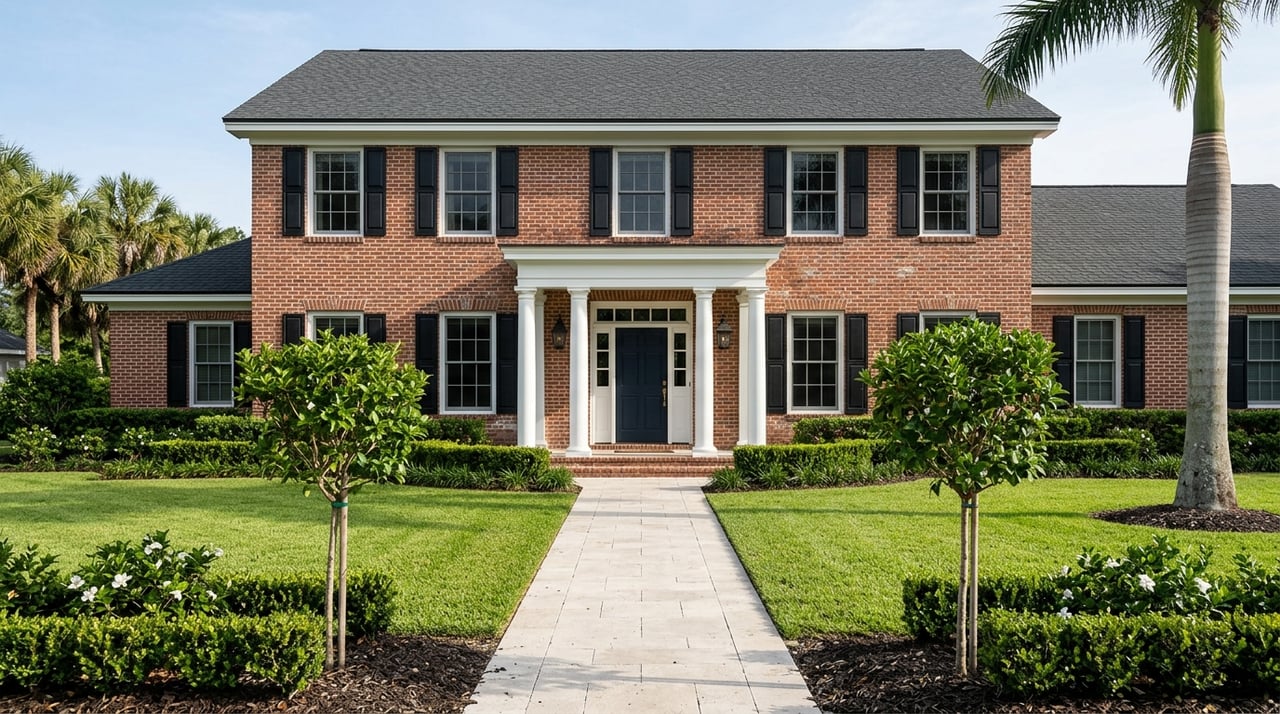
Parkland is largely single-family
If lot size and detached housing are high on your list, Parkland stands out. The city reports 11,424 housing units, with 92% single-family, 3% condominiums, and 3% multifamily, according to the FY2025 adopted budget.
That same budget also points to continued low-density growth. One project is described as a 52-home neighborhood on about 21 acres, and Parkland Royale II is approved for just over 200 single-family homes on roughly 72 acres, along with a 4-acre park.
For buyers focused on yard space, Parkland’s code provides a strong example of estate-style planning. In the Parkland Lakes planned unit development code, at least 450 single-family lots are required, with 90% or more at 25,000 square feet and the remainder at 22,000 square feet, plus a 100-foot building-line width.
Coastal Broward offers more housing variety
Fort Lauderdale has a broader housing mix. The city’s housing and community development programs reference single-family homes, townhouses, condominiums, and villas.
The city’s development framework also reflects a more compact urban form. That matters if you are open to different housing types and want more options closer to water, downtown districts, or other city amenities. The tradeoff is that private outdoor space is often more limited than what you may find in Parkland.
Recreation and Daily Lifestyle
Parkland is park-centered and land-based
Parkland’s lifestyle is built more around parks, trails, and community programming than waterfront living. The Parkland Recreation and Enrichment Center is a 24,700-square-foot facility with more than 100 programs for toddlers through seniors.
The city’s Pine Trails Park adds trails, open space, fishing, sports fields, a playground, and an amphitheater for concerts and events. If your ideal routine includes organized recreation, green space, and a calmer environment, Parkland supports that well.
Fort Lauderdale is shaped by the water
Fort Lauderdale’s pace is more tied to boating, beaches, and waterfront access. The city says it has 165 miles of navigable waterways and seven miles of beaches, and its marine facilities information notes 27 marinas, 12 clean marinas, and city-operated marinas with 149 slips and four launch ramps.
That kind of infrastructure supports a very different daily lifestyle. If you picture quick access to a marina, beach outings, Water Taxi rides, or time around the Riverwalk and beachfront district, coastal Broward likely aligns better with that vision.
Getting Around Matters
Parkland is more car-first
For many buyers, lifestyle is not just about the home. It is also about how you move through your week. In Parkland, the commuting pattern is largely road-dependent.
According to the Broward MPO transportation overview, Broward County’s toll-road network includes Florida’s Turnpike, the Sawgrass Expressway, and I-595 managed lanes. Parkland’s city budget also discusses improvements to Loxahatchee Road and Hillsboro Boulevard, which reinforces the importance of route planning and drive times in everyday life.
Coastal Broward offers closer access, with more complexity
Fort Lauderdale benefits from closer proximity to major destinations and transportation corridors. The city’s economic development page emphasizes access to major transportation and waterfront assets.
That can mean shorter trips to beaches, marinas, downtown districts, and airport-linked areas. At the same time, a denser coastal environment usually brings more traffic complexity and a more active public setting.
Which Lifestyle Fits You Best?
The right choice depends on what you want your home to support day after day.
Parkland may be the better fit if you value:
- Larger lots and detached homes
- A lower-density suburban setting
- Parks, trails, and organized recreation
- A quieter, more predictable daily rhythm
- More separation from coastal congestion
Coastal Broward may be the better fit if you value:
- Faster access to beaches and waterways
- A wider mix of housing options
- A more urban, active daily environment
- Marina and waterfront lifestyle amenities
- Closer proximity to downtown and coastal destinations
The Real Tradeoff
For many relocation buyers, this is less about which location is better and more about which tradeoff feels right. Parkland gives you more space and a calmer routine, but less direct access to the water-driven energy that defines Fort Lauderdale. Coastal Broward puts you closer to beaches, boating, and city activity, but often with smaller lots and a denser pace.
If you are balancing lifestyle, logistics, and long-term fit, clarity matters as much as inventory. That is where thoughtful guidance can make the process feel far more manageable. If you are planning a move and want a more strategic, concierge-level approach, Blaire Latchford can help you think through the tradeoffs with a clear eye toward how you actually want to live.
FAQs
What is the main lifestyle difference between Parkland and coastal Broward?
- Parkland offers a more suburban, low-density, park-centered routine, while coastal Broward offers more water access, housing variety, and a faster coastal pace.
What type of housing is more common in Parkland?
- Parkland is primarily a single-family market, with the city reporting that 92% of its housing units are single-family homes.
What type of housing is available in Fort Lauderdale?
- Fort Lauderdale includes a wider mix of housing types, including single-family homes, townhouses, condominiums, and villas.
Is Parkland or Fort Lauderdale better for water access?
- Fort Lauderdale is better positioned for water-based living, with beaches, navigable waterways, marinas, slips, and launch ramps throughout the city.
Is Parkland more car-dependent than coastal Broward?
- Yes. Parkland’s daily travel pattern is more road-dependent, with major reliance on regional routes like Florida’s Turnpike, the Sawgrass Expressway, and I-595.
What should relocation buyers consider when comparing Parkland and coastal Broward?
- You should consider lot size, housing type, daily pace, commute style, recreation preferences, and whether you want a suburban environment or closer access to coastal amenities.