What makes Alpine feel different the moment you arrive? It is the calm of long private drives, the sweep of Palisades topography, and the sense that Manhattan is close yet a world away. If you are weighing an ultra-luxury purchase here, you want clarity on what defines value, where the hidden risks live, and how to navigate a market that often moves off the public stage. This guide breaks down Alpine’s estate-scale DNA, the design and amenity standards you can expect, and a practical path to sourcing and stewarding a trophy property. Let’s dive in.
Alpine at a glance
Alpine sits in Northern Bergen County along the Palisades, one of the most affluent residential enclaves in the New York region. The market is dominated by owner-occupied single-family estates and acreage that supports privacy and long sightlines to the Hudson River and Manhattan. At the top end, you will see multiple millions to tens of millions in list prices, with inventory that is thin and often traded off-market. Buyer demand comes from local NY/NJ principals and international clients who need proximity to Manhattan without sacrificing land, security, and amenities.
Privacy, space, and views
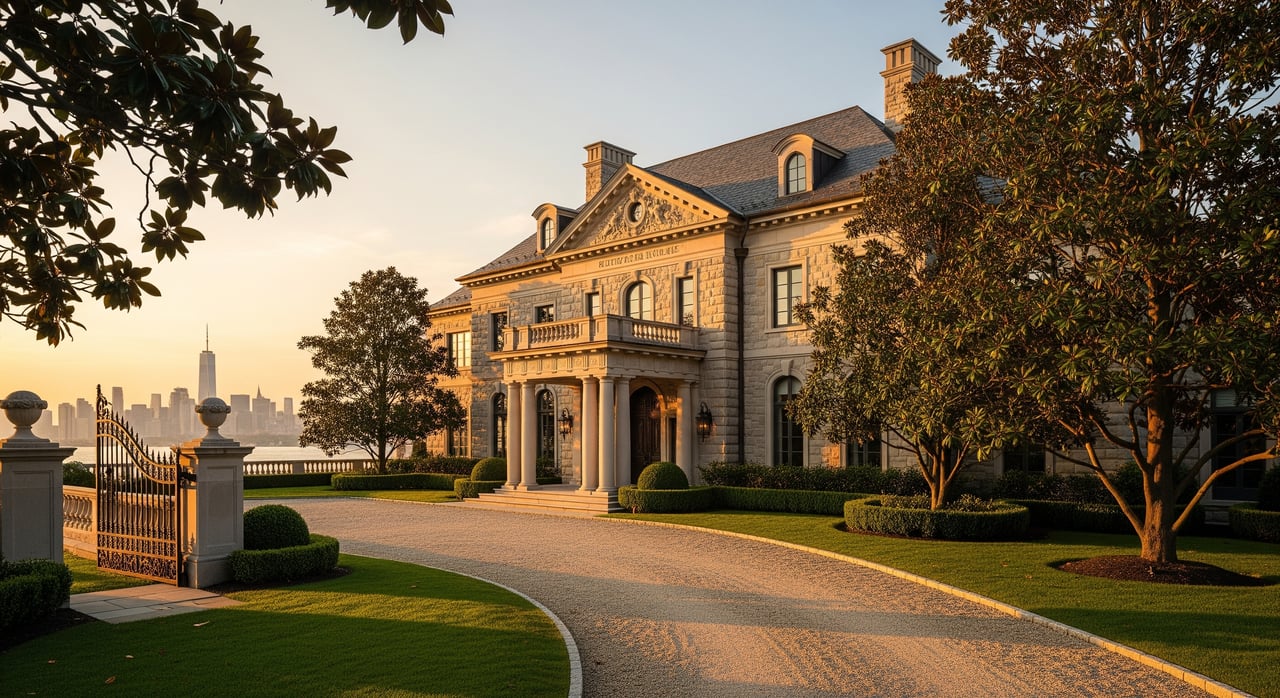
Alpine’s low-density zoning and large lot sizes are central to its identity. Many parcels are one acre or more, and some estates span multiple acres, which naturally buffers neighboring properties. The Palisades’ ridgelines and steep slopes create terraced landscapes, long drives, and selective sightlines. Privacy in Alpine is as much about landscape architecture and mature tree cover as it is about gates, setbacks, and security systems.
Manhattan and airport access
Alpine is among the closest North Jersey suburbs to midtown Manhattan by road, with drive times that typically range from 30 to 60 minutes depending on traffic. Public transit is limited compared to rail towns, so most residents use private cars or car services, with ferries and PATH/NJ Transit in nearby towns as alternatives. For private aviation, Teterboro Airport is the regional hub for jet travel and is widely used by owners in this segment. If quick access to the city is a priority, plan for driver arrangements, parking solutions, and vendor coordination as part of your lifestyle budget.
Zoning and environmental realities
Local land-use controls in Alpine emphasize low density and protect the community’s estate character. You will want to confirm setbacks, lot coverage, structure height, and accessory building rules with the borough. Environmental considerations can shape what is feasible on a site, including steep slope regulations, tree removal limits, and proximity to Palisades Interstate Park or other conservation areas. On some parcels, wetlands or regulated watercourses may require permits, and large-lot homes may rely on private septic systems and wells, which call for soil testing and water quality verification before closing.
Design and amenity standards
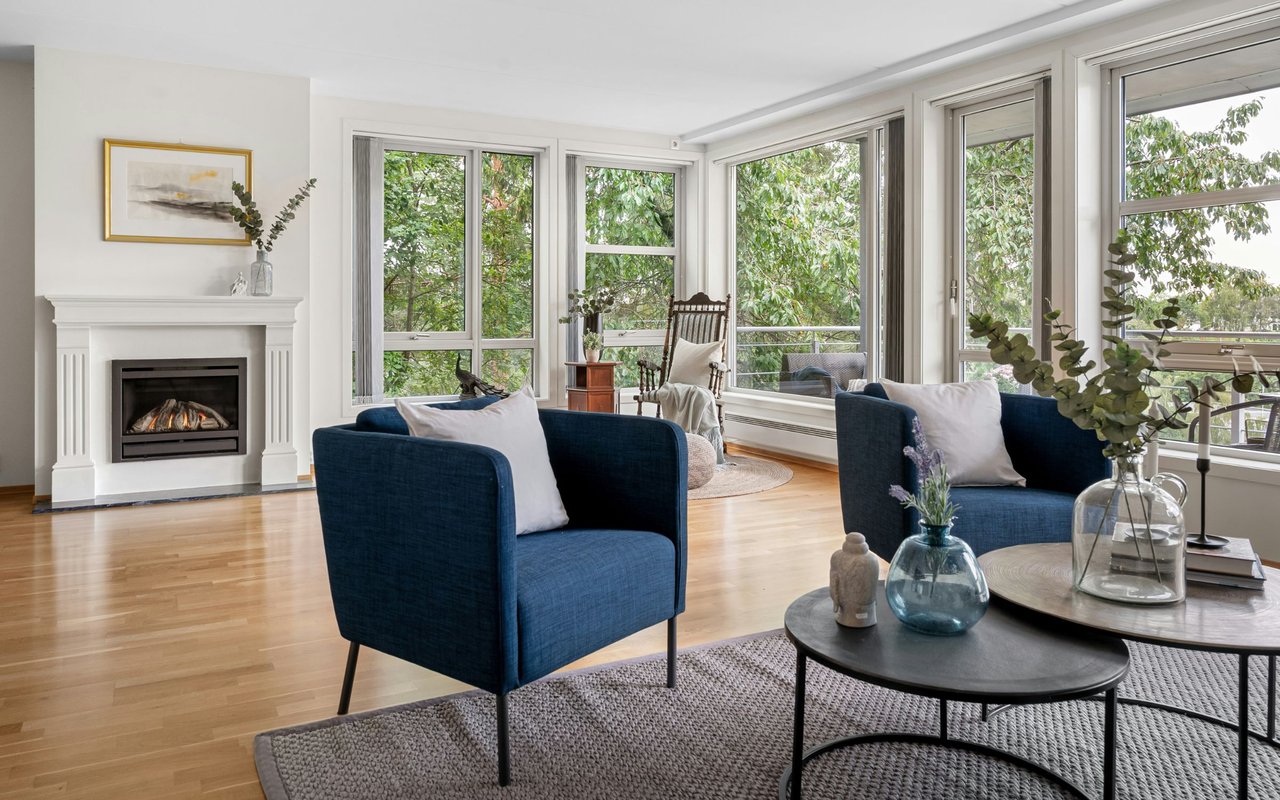
Expect high architectural pedigree and custom construction that responds to the site. Contemporary glass and stone, refined traditional estates, and bespoke modernism all appear in Alpine, often with seamless indoor-outdoor transitions and carefully sited pools and terraces. Buyers prioritize unobstructed views, privacy from approach drives and neighboring sightlines, and integrated security. High-end amenities commonly include indoor and outdoor pools, spa facilities, guest or carriage houses, staff quarters, large motor courts and multi-bay garages, wine rooms, theaters, and wellness gyms.
Behind the scenes, building systems matter. Whole-house generators, redundant HVAC, centralized smart-home controls, large-capacity elevators, advanced water treatment, and sophisticated A/V and security networks are standard for this tier. Landscape and hardscape investments are equally important, from specimen trees and privacy planting to engineered retaining walls that manage Alpine’s slopes.
Sustainability and wellness
Energy efficiency, resilient power, and healthy materials continue to gain traction in the ultra-luxury segment. You may see interest in solar with battery storage, advanced filtration, and high-performance envelopes. Spa-grade wellness spaces, indoor-outdoor fitness, and biophilic design that connects interiors with the Palisades setting are common requests. The value of certifications varies by buyer, but durable, low-maintenance systems tend to support long-term desirability.
How trophy properties trade
At the top end, many Alpine estates sell quietly through private networks to protect owner privacy. This means you will benefit from a multi-channel strategy that includes experienced local luxury brokers, attorney and advisor introductions, and referral channels that surface pocket listings. Sellers of one-of-a-kind properties often set conditional timelines, so patience and relationship building can be part of the process. Valuation is nuanced because comparable sales are limited and many homes are bespoke.
Due diligence for Alpine estates
Buying acreage on the Palisades calls for deeper diligence than a standard suburban purchase. Use this checklist to protect your investment.
Title, survey, and access
- Obtain a full title report and a recent ALTA/NSPS survey.
- Confirm boundaries, easements, and any shared or private road access.
- Verify prior permits, variances, and conformance with current zoning.
Site and environmental reviews
- Order soil and percolation tests if a property has or may need a septic system.
- Commission a geotechnical assessment on steep or rock-heavy sites to plan foundations, retaining walls, and drainage.
- Review tree protection rules and removal permits, especially where privacy planting intersects with local ordinances.
- Check for wetlands, regulated watercourses, or conservation easements that limit development.
Building systems and structure
- Conduct full structural, roof, foundation, mechanical, electrical, and pool/spa inspections.
- Map equipment ages and service records to estimate lifecycle costs and replacement timing.
- Confirm smart-home infrastructure, security systems, and generator capacity relative to home size.
Utilities and services
- Verify septic or sewer connections, well water quality and yield, availability of natural gas, and broadband options.
- Evaluate driveway access, snow removal logistics, and year-round serviceability.
Insurance and risk
- Review FEMA flood maps and local drainage history, even if elevations are generally favorable.
- Engage a high-value home insurer early to model replacement cost and premiums.
- Consider protection for collections or specialty vehicles under separate policies.
Taxes and closing mechanics
- Review property tax history and assessment trends, and explore appeal options with a local specialist.
- Clarify New Jersey transfer taxes, closing costs, and who pays what by local custom.
- Coordinate with a CPA on cross-state residency or income tax implications if you split time with New York.
Financing, title, and structure
Many trophy purchases are all-cash, but jumbo or portfolio financing is still used by some high-net-worth buyers. Lenders underwriting ultra-luxury properties often require specialized appraisals and place more weight on replacement cost and bespoke features than standard comps. Privacy and estate planning needs frequently drive purchases in LLCs or trusts, which affect title, insurance, and financing requirements. Consult legal counsel early to align structure, liability coverage, and long-term planning.
Owning and operating an Alpine estate
Plan for higher operating costs than a typical suburban home. Line items include groundskeeping, pool and spa service, HVAC and generator maintenance, security monitoring, seasonal tree work, and snow removal. Many properties are designed to support live-in or full-time staff, service corridors, and separate entrances. Capital planning should anticipate large-scale items like retaining walls, drainage upgrades, landscape renewal cycles, and systems modernization to keep the asset competitive.
Specialty insurance is standard for this tier, including umbrella liability and scheduled coverage for art or jewelry. For glass-forward homes on exposed sites, consider lightning and surge protection and dedicated fire protection strategies. Regular site inspections and proactive vendor management help prevent small issues from becoming costly liabilities.
Resale and long-term value
Resale performance in Alpine tracks with site uniqueness, privacy, architectural pedigree, and system quality. Homes that pair timeless design with durable construction and well-planned landscapes tend to hold value in a thin comp environment. When it is time to sell, expect a marketing strategy that leverages private channels and, when appropriate, international reach. Budget for pre-list improvements that simplify buyer diligence and signal meticulous stewardship.
How Luxe simplifies the Alpine experience
If you want the benefits of Alpine without the friction, a combined real estate and operations approach helps. You can source discreet opportunities, close with confidence, and transition directly into move-in, vendor setup, and renovation delivery with a single point of contact. Luxe Home Concierge pairs licensed advisory with project management, vetted vendor orchestration, and a digital homeowner platform that keeps documents, warranties, and compliance organized.
- Curated search and non-representational advisory for off-market leads
- Due diligence coordination, from surveys and geotechnical to insurance quotes
- White-glove move-in setup, staffing coordination, and vendor schedules
- Renovation and construction management with trade pricing access
- Ongoing property stewardship tied to the Luxe Home Vault for records and renewals
Ready to explore Alpine with a team that thinks beyond the closing table? Start a focused conversation with Luxe Home - Real Estate Concierge Services.
FAQs
How close is Alpine to Manhattan for daily commuting?
- Alpine is among the closest North Jersey suburbs by road, with typical drive times of 30 to 60 minutes depending on traffic; many residents use private car services, nearby ferries, or PATH/NJ Transit from neighboring towns.
Are estate-scale lots common in Alpine’s market?
- Yes. Alpine’s low-density zoning and large parcel sizes are core to its identity, with many one-acre-plus properties and multi-acre estates.
What environmental rules can affect building on a lot?
- Steep slope regulations, tree removal limits, potential wetlands or watercourse buffers, and proximity to Palisades Interstate Park can all shape what you can build and where.
Do Alpine homes typically have septic systems or sewer?
- Many large-lot properties rely on private septic systems and wells, while some areas connect to municipal services; verify soil tests, approvals, and water quality during due diligence.
Why are off-market deals common for trophy properties?
- Sellers at the top end often prioritize privacy, so elite properties trade through broker and advisor networks; working with local luxury experts expands access.
What hidden ownership costs should I anticipate?
- Expect higher property taxes, specialty insurance, full-scope estate maintenance, and site-specific capital work such as retaining walls, drainage upgrades, and potential septic replacements.