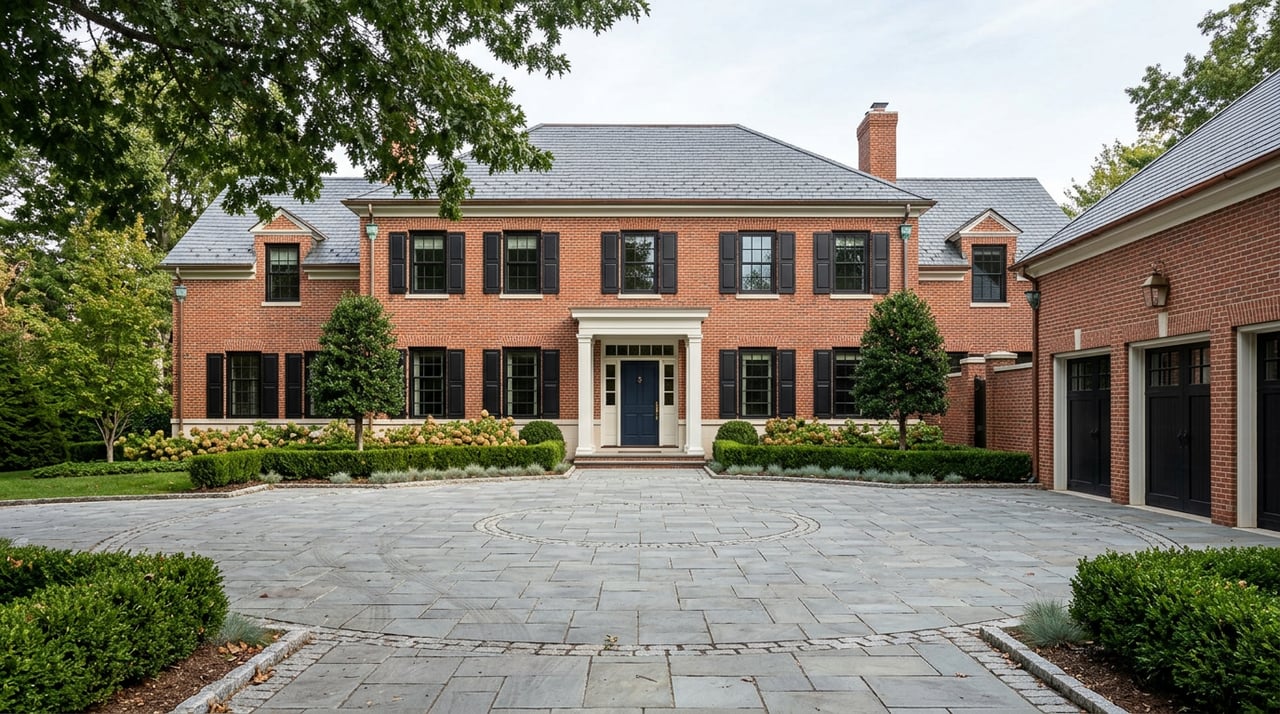
Considering an estate-scale move to Saddle River? The space, privacy, and setting are real, and so are the operations that keep it all running smoothly. If you want the lifestyle without surprises, it helps to know how zoning, utilities, permitting, and seasonal workflows shape daily life on a large property.
In this guide, you’ll learn what you will manage week to week and season to season, which vendors you’ll rely on, and what the Borough expects when you add or change features. You’ll also see a simple first-year checklist to help you hit the ground running. Let’s dive in.
Why Saddle River estates operate differently
Zoning and lot size shape maintenance
Saddle River’s zoning was designed for low-density, estate-scale living. In R-1, single-family homes sit on lots of 2 acres or more, and other zones have their own minimums and setback rules. Site plans often include buffers and non-disturbance areas that limit where you can build or even where contractors can set up.
This zoning pattern delivers space and privacy, but it also means longer utility runs, more landscape to maintain, and careful planning when you add improvements. Expect to show setbacks, coverage, and a 25-foot non-disturbance zone on site plans during permit review.
Septic and wells are common
Much of Saddle River relies on private septic systems, and only a few pockets connect to public sewers. Properties may have public water, private wells, or a mix, and that setup changes who you call and how you plan maintenance. Before you buy or begin projects, confirm whether your property is on sewer or septic and whether water is public or well.
For septic, plan on routine inspections and pumping as part of a normal schedule. Keep the drainfield clear of heavy vehicles and deep roots, and document every service visit for future resale and compliance.
Permits and inspections are part of the rhythm
The Borough’s Building/Construction office is your main point of contact for permits and inspections. Pool installations, auxiliary structures, major tree work, and earthwork with erosion control all require municipal permits. Larger projects often need stamped site plans and, in some cases, Planning or Zoning Board review.
Start early. Big properties mean more drawings, more reviews, and more coordination with subcode officials for building, plumbing, electrical, and fire protection.
Property tax context
For Tax Year 2024, the State reported Saddle River’s average residential property tax bill at $19,655. Your actual bill will depend on your specific property and assessments, but this gives you a baseline for planning.
Daily-to-seasonal operations you will manage
Grounds and landscape
On estate parcels, landscape care is the core recurring task. Typical work includes weekly or biweekly mowing, edging, and bed care during the growing season, plus spring and fall cleanups. You will also schedule irrigation start-up and winterization, tree pruning, and plant health programs.
- Common vendors: maintenance landscaper, horticulturalist or head gardener for complex plantings, and a licensed tree care professional for large pruning or removals.
- Frequency: weekly lawn service in season; monthly checks on irrigation; annual or biennial tree pruning depending on species; one or two major cleanups each spring and fall.
- Planning note: if your parcel has slopes or is near water, budget for erosion control and drainage upkeep.
Pools, spas, and water features
Residential pools in Saddle River require permits and inspections, and safety rules apply to barriers, gates, and drain devices. Once open, most owners schedule weekly or twice-weekly pool service for chemistry and cleaning, then close down in fall with proper winterization.
- Recurring tasks: weekly service in season, spring opening, fall closing, annual equipment checks.
- Vendor types: certified pool technicians for care and licensed pool contractors for equipment or structural work.
- Compliance: confirm fence and gate specs during permitting and before any equipment changes.
Snow, driveways, and gates
Long private drives and gated entries need plans in place. Most owners keep a snow-removal contract, schedule periodic driveway sealing or repairs, and service gate operators for safety and reliability. If you share a private lane or easement, review agreements that outline cost-sharing and service expectations.
Utilities and whole-house systems
Septic care schedule
If you are on septic, routine service is non-negotiable. Federal guidance recommends inspections at regular intervals and pumping a conventional tank generally every 3 to 5 years, depending on household size and tank capacity. Keep the access lids clear, protect the drainfield from compaction, and store all service receipts.
HVAC, generators, and mechanicals
Larger homes often have multiple HVAC zones, several water heaters, pool heaters, and a standby generator. Plan semiannual HVAC service, annual generator maintenance with load tests, and periodic electrical panel reviews. Generator installations and major electrical or mechanical changes require permits and inspections through the Borough.
Projects, guest houses, and ADUs
Accessory structures require careful review
Outbuildings like garages, pool houses, or guest houses are regulated and need permits. Site plans must show setbacks, coverage, and any non-disturbance buffers before work begins. Whether a detached space counts as a “guest house” or an accessory dwelling with cooking facilities changes the approval path.
State-level ADU legislation has been active, which could affect how municipalities handle accessory dwellings. Treat ADU rules as in flux and confirm current requirements with the Borough before you commit to design or construction.
Vendor selection and compliance
Licensing, registration, and insurance
In New Jersey, home-improvement contractors must register with the Division of Consumer Affairs. Specialized trades such as tree care, electricians, septic contractors, and pool professionals typically hold specific licenses or certifications. For every project, ask for proof of registration, trade licenses where applicable, and certificates of insurance. Many permits will not be issued without them.
Staffing choices for large estates
You may choose a house or estate manager to coordinate calendars, vendors, and inspections, or you can engage a local property manager for seasonal oversight. If you hire in-house staff, expect employer obligations for payroll and insurance. If you prefer vendor contracts, keep a roster of primary contacts for landscaping, pool, septic/well, HVAC, electrical, plumbing, and security.
Capital planning and lifecycles
Large properties have many systems with different lifespans. A reserve mindset helps you plan ahead and minimize surprises.
- Roofs: roughly 20 to 50 years depending on material and installation.
- HVAC systems: about 12 to 25 years depending on type and maintenance.
- Pool equipment: pumps and filters often 7 to 15 years; surfaces or liners can be 10 to 25+ years.
- Septic fields: 20 to 40 years when well-maintained, though misuse or drainage issues can shorten that.
- Driveways and hardscape: 10 to 30 years depending on material and exposure.
Document routine inspections and repairs so replacements become planned projects, not emergencies. Good records also support resale and help future permit reviews move faster.
Your first-year estate checklist
Use this simple rhythm to structure your first 12 months.
Late winter to early spring
- Finalize spring cleanups and mulch plans.
- Start up irrigation and schedule backflow checks.
- Open the pool and schedule weekly service.
- Book HVAC spring service and any septic inspection or pumping due.
- Submit permit applications for summer projects now.
Spring to summer
- Weekly or biweekly lawn and bed care.
- Ongoing pool care and mid-season equipment checks.
- Tree assessments and selective pruning where needed.
- Track service reports and update your vendor roster.
Fall
- Winterize irrigation and close the pool.
- Complete leaf removal and a final cleanup.
- Perform tree safety pruning before winter storms.
- Service generators and prepare snow contracts.
Winter
- Snow removal on call; monitor gates and lighting.
- Review capital projects for the coming year.
- Start permit prep in late winter for a head start next season.
How Luxe can simplify Saddle River ownership
You want the estate lifestyle without juggling ten different calendars. Luxe pairs licensed real estate guidance with hands-on project and vendor management so you can move in smoothly and maintain with confidence. Our single-point-of-contact model coordinates move-in, renovation or construction oversight, and ongoing property stewardship across landscaping, pools, septic/well, HVAC, and more.
You also get the Luxe Home Vault, a secure digital dashboard for service records, warranties, permits, and contractor compliance. It keeps everything organized and ready for inspections, insurance renewals, and future resale.
If you are considering an estate in Saddle River or want to stabilize operations at a property you already own, we can help you set the plan, assemble the right vendors, and keep projects on track.
FAQs
Will my Saddle River home be on sewer or septic?
- Many Saddle River properties rely on private septic, with limited sewer connections in certain areas; confirm your property’s setup with the Borough and during due diligence.
What permits do I need for a pool or major landscaping?
- Expect construction permits and inspections through the Borough’s Building/Construction office, plus sediment and erosion controls and, for pools, barrier and safety compliance.
What is the average property tax bill in Saddle River?
- The State reported an average residential tax bill of $19,655 for Tax Year 2024; your individual bill will vary by property and assessment.
How often should I service a septic system?
- Federal guidance suggests inspections at regular intervals and pumping a conventional tank typically every 3 to 5 years, depending on household size and tank capacity.
Can I add a guest house or ADU on my lot?
- Accessory structures are regulated and require permits; ADU rules have been active at the state level, so verify current municipal requirements before designing or building.
Which licenses should I check when hiring contractors in NJ?
- Confirm home improvement contractor registration with the state and trade licenses or certifications for specialized work such as tree care, electrical, septic, and pool services.
Ready to simplify estate-scale living in Saddle River? Partner with Luxe Home - Real Estate Concierge Services to set up vendors, streamline permits, and keep your property performing season after season.